
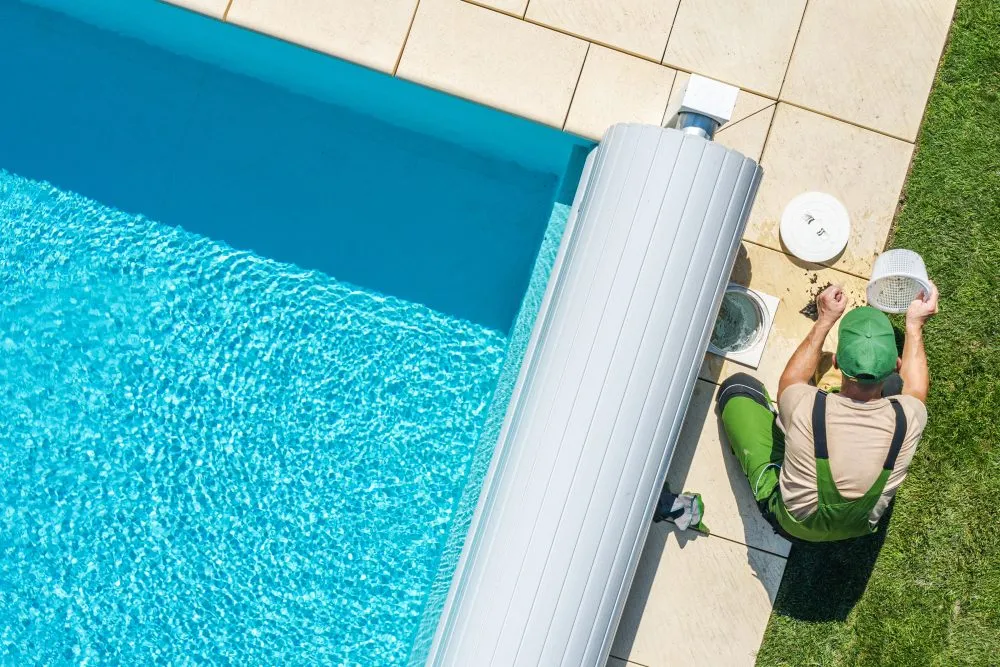
Essential Pool Maintenance Tips for Beginners: A Comprehensive Guide to Cleaning, Chemical Balance, and Equipment Care
Pool maintenance can feel intimidating at first. With clear, practical steps you can keep your pool clean, safe, and reliable. This guide covers routine cleaning, water testing and chemical balance, equipment care, and seasonal tasks. New owners frequently face issues with water clarity and chemical balance that can create health risks and costly repairs. The sections below outline proven maintenance strategies and indicate when professional support is is advisable, giving you a complete view of pool upkeep.
Routine Cleaning
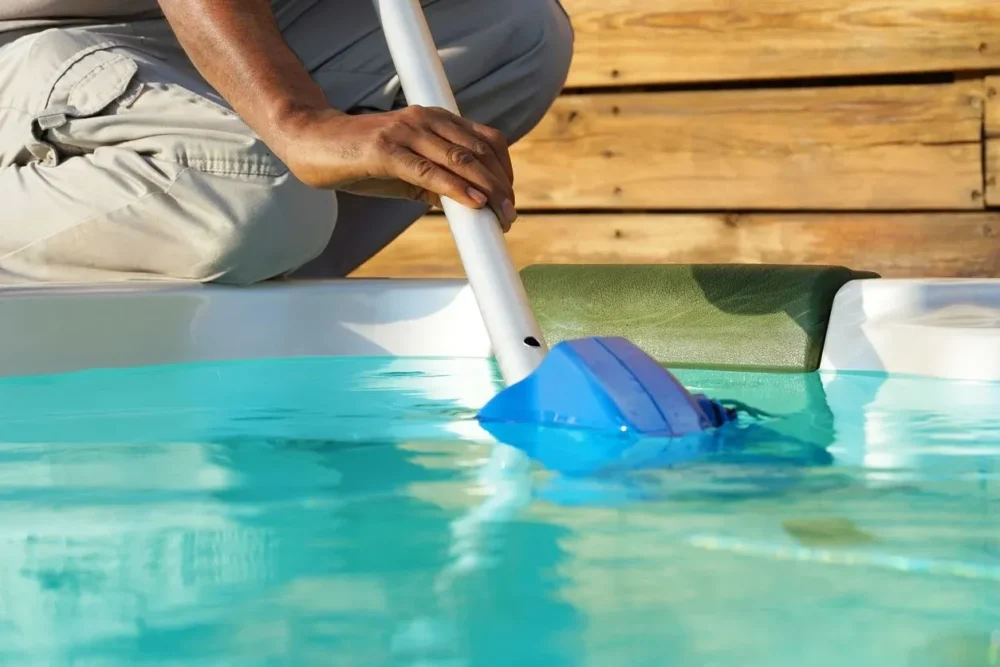
Consistent cleaning prevents algae and keeps water clear. A regular routine stops debris, leaves, and dirt from accumulating and causing bigger problems. Weekly skimming, vacuuming, and brushing preserve both water quality and the pool surface.
How Often Should You Follow a Pool Cleaning Schedule?
Aim to clean at least twice a week. That frequency removes debris and reduces algae risk, keeping the pool safe and pleasant to use.
What Are the Key Tasks in a Weekly Pool Cleaning Routine?
A comprehensive weekly cleaning routine should include the following tasks:
- Skimming: Remove leaves and debris from the water surface using a skimmer net.
- Vacuuming: Clean the pool floor to eliminate dirt and sediment.
- Brushing: Scrub the walls and steps to prevent algae buildup.
Following these steps maintains water quality and reduces the need for more intensive maintenance later.
Water Testing and Chemical Balance
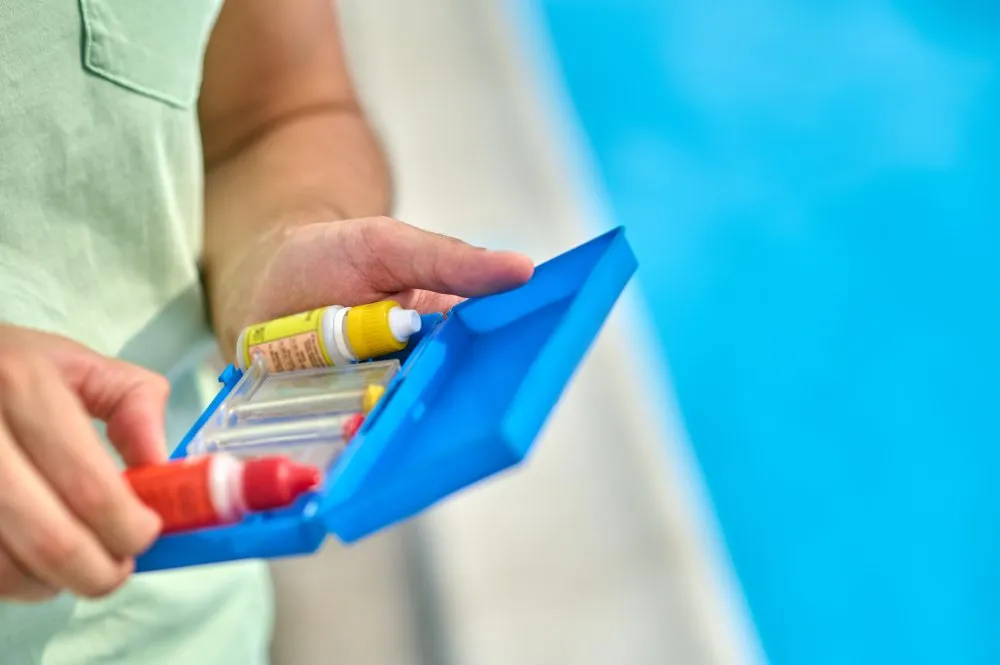
Regular testing and timely chemical adjustments are essential for swimmer safety and equipment protection. Monitor pH, chlorine, and alkalinity and correct deviations promptly to prevent corrosion, irritation, and biological growth.
Studies consistently show diligent control of these water properties is essential for a healthy, safe recreational experience.
Managing Pool Water Quality for Health & Safety
Effective management of pools and control of their physical, chemical, and microbiological properties supports healthy recreational use. In one study the mean temperature, pH, and residual chlorine of indoor pools were 88° F, 7.6 and 1.5 mg/L, respectively.
Investigation of the physical, chemical characteristics and microbial contamination of the indoor swimming pools, F Ghasemi, 2019
How To Balance Pool Chemicals Safely and Effectively?
Balancing chemicals means adjusting levels to meet safe targets. Maintain pH between 7.2 and 7.8, free chlorine at 1–3 ppm, and total alkalinity at 80–120 ppm to stabilize the water.
What Are the Ideal Levels for pH, Chlorine, and Alkalinity?
To ensure safe swimming conditions, it is crucial to maintain the following ideal levels:
- pH: 7.2 – 7.8
- Chlorine: 1 – 3 ppm
- Alkalinity: 80 – 120 ppm
Keeping these ranges reduces skin irritation and inhibits algae, improving swimmer comfort and water clarity.
Further research underscores the importance of specific chemical parameters for both human health and overall pool water quality.
Pool Water Chemical Balance & Health Parameters
This study examined variations in concentrations of disinfection chemicals such as cyanuric acid (CyA), free chlorine (FC), and residual chlorine (RC), which can affect human health. Quality parameters like temperature, pH, and total alkalinity (TA) were also measured in 44 swimming pools in the city center and districts of Canakkale, Turkey during the summer period.
Investigation of some disinfection chemicals and water quality parameters in swimming pools in the city center and districts of Canakkale,
Turkey, S Yilmaz, 2017
Which Pool Chemicals Are Safe for Beginners to Use?
Beginners should use straightforward, pool-specific products. Recommended options include:
- Chlorine Tablets: For sanitation and disinfection.
- Baking Soda: To raise alkalinity levels.
- Stabilizers (Cyanuric Acid): To protect chlorine from UV degradation.
Using these products correctly helps maintain a balanced, safe swimming environment.
Equipment Care
Routine inspection and cleaning of filters, pumps, and skimmers extends equipment life and preserves performance. Regular checks reduce the likelihood of costly repairs and downtime.
How to Perform Pool Filter Cleaning and Equipment Maintenance?
Filter maintenance is a core equipment task. Clean filters every 4–6 weeks, backwash sand filters when pressure rises by 8–10 psi, and replace cartridge filters per manufacturer guidance.
When and How Should You Clean Your Pool Filter?
To maintain effective filtration, follow these guidelines:
- Frequency: Clean filters every 4-6 weeks.
- Backwashing: Sand filters should be backwashed when pressure increases by 8-10 psi.
- Replacement: Cartridge filters should be replaced according to manufacturer recommendations.
Consistent filter care keeps water clear and reduces stress on pumps and other equipment.
Effective filtration is fundamental to maintaining water quality, as water-management research confirms.
Water Quality Management & Filtration Systems
This review describes water quality management for bio-mineral bathing pools and compares these systems to traditional swimming pools. Bio-mineral pools combine mechanical filtration, bio-filtration, and UV treatment to disinfect water. Test-tank studies show bio-filtration can be effective in treating organic pollution and maintaining water quality.
Review on the management of water quality for bio-mineral swimming pools in Western Europe, JG Mahy, 2023
What Are Common Equipment Maintenance Tips to Extend Lifespan?
To extend equipment life, follow these practical measures:
- Regular Cleaning: Prevent buildup by cleaning equipment frequently.
- Water Chemistry Testing: Maintain proper water chemistry to avoid damage.
- Leak Inspection: Regularly check for leaks and wear to address issues promptly.
Adopting these habits reduces failures and maintains efficient operation.
Seasonal Maintenance
Seasonal maintenance prepares your pool for changing weather and protects equipment. Each season requires targeted tasks to reduce risk and preserve performance.
How Does Seasonal Pool Care Impact Maintenance Practices?
Open the pool in spring by cleaning and testing the water. In fall, close and winterize the pool to prevent damage from freezing temperatures. Addressing these seasonal tasks reduces repair risk and preserves systems.
Professional Support
Some maintenance tasks are best handled by professionals. Technicians bring specialist knowledge that preserves equipment life, ensures correct chemical balance, and delivers reliable results.
Professional services can help with:
- Deep Cleaning: Comprehensive cleaning that may be difficult to achieve on your own.
- Chemical Balancing: Expert knowledge in maintaining optimal water chemistry.
- Equipment Repairs: Professional assessment and repair of pool equipment.
What Are Common Pool Maintenance Mistakes Beginners Should Avoid?
Common mistakes by beginners can lead to costly repairs and unsafe water. Recognising and avoiding these errors helps you maintain a healthy pool environment.
How Can Improper Chemical Use Affect Pool Health?
Incorrect chemical selection or dosing can cause skin irritation and discomfort. Poor chemical control also promotes algae and degrades water quality, making the pool unsafe until corrected.
What Are Signs of Neglected Pool Cleaning and Equipment Care?
Signs of neglect include the following indicators:
- Cloudy or Green Water: Indicates poor water chemistry and potential algae growth.
- Debris Accumulation: Shows a lack of regular cleaning and maintenance.
- Equipment Malfunctions: Signals neglect in equipment care and maintenance.
Addressing these indicators early prevents larger issues and higher repair costs.
How to Prepare Your Pool for Winter and Summer Months?
Prepare the pool for seasonal change by winterizing to prevent freeze damage and by maintaining regular cleaning and chemical balance in summer for safe use.
What Adjustments Are Needed for Pool Care in Different Seasons?
Seasonal adjustments include:
- Spring: Open the pool, clean, and test water.
- Summer: Regular cleaning and chemical balancing.
- Fall: Winterize the pool to prevent damage.
- Winter: Ensure proper cover and maintenance to protect the pool.
Follow these seasonal steps to keep your pool in excellent condition year-round.
For more information on maintaining your pool, visit Leisure Pools and Spas for expert advice and products.
Frequently Asked Questions
What are the benefits of hiring a professional for pool maintenance?
Hiring a professional provides technical expertise in chemical balancing and equipment care. Technicians perform deep cleaning, identify issues early to prevent costly repairs, and save you time. Professional service delivers consistent results and peace of mind so you can enjoy the pool without maintenance worries.
How can I tell if my pool water is safe to swim in?
Regularly test pH, chlorine, and alkalinity. Target pH between 7.2 and 7.8 and chlorine between 1 and 3 ppm. Clear water generally indicates proper balance; cloudy or green water suggests algae or chemical imbalance and should be treated before swimming.
What should I do if I notice algae growth in my pool?
If you see algae, act promptly. Brush affected areas, vacuum to remove debris, then shock the pool with a chlorine treatment to eliminate the algae. After shocking, retest the water and adjust pH and chlorine levels as needed. Consistent maintenance reduces the chance of recurrence.
How often should I test my pool water?
Test at least once a week during the swimming season. Test more frequently after heavy use or following heavy rain. Regular testing allows timely adjustments and helps maintain safe water quality.
What are the signs that my pool equipment needs repair?
Warning signs include unusual noises from pumps or filters, reduced water flow, visible leaks, poor circulation, or consistently high filter pressure. Regular inspections help catch these issues early and extend equipment life.
Can I use household chemicals for pool maintenance?
Do not use household chemicals for pool treatment; they can disrupt the chemical balance and harm swimmers. Use pool-specific products such as chlorine tablets, algaecides, and pH balancers designed for water treatment.
What is the best way to winterize my pool?
To winterize effectively, clean the pool thoroughly and balance the water chemistry. Lower the water level below the skimmer and add winterizing chemicals to prevent algae. Drain and store removable equipment like pumps and filters, and cover the pool with a proper winter cover to protect it during cold months.


