
The Complete Above‑Ground Pool Care Guide
Keeping an above‑ground pool in Brookfield clean and trouble‑free takes a mix of routine cleaning, smart chemical use, and seasonally timed care. This guide lays out clear, practical steps to help you protect water clarity, avoid equipment headaches, and enjoy the pool all year. You’ll find how often to clean, a simple maintenance schedule, water‑treatment options, winterizing instructions, troubleshooting tips, and where to find local resources — all written in plain, usable terms.
How Often Should You Clean Your Above Ground Pool in Brookfield?
Consistent cleaning is the best way to keep water healthy and equipment working well. In Brookfield, plan a basic cleaning at least once a week to stop algae and leaf buildup. Every 2–4 weeks, do a deeper clean that includes filter care so your circulation and water quality stay where they should. For expert services and advice, visit the Leisure Pools & Spas homepage.
What Are the Best Pool Cleaning Tips for Above Ground Pools?
Try these straightforward cleaning habits:
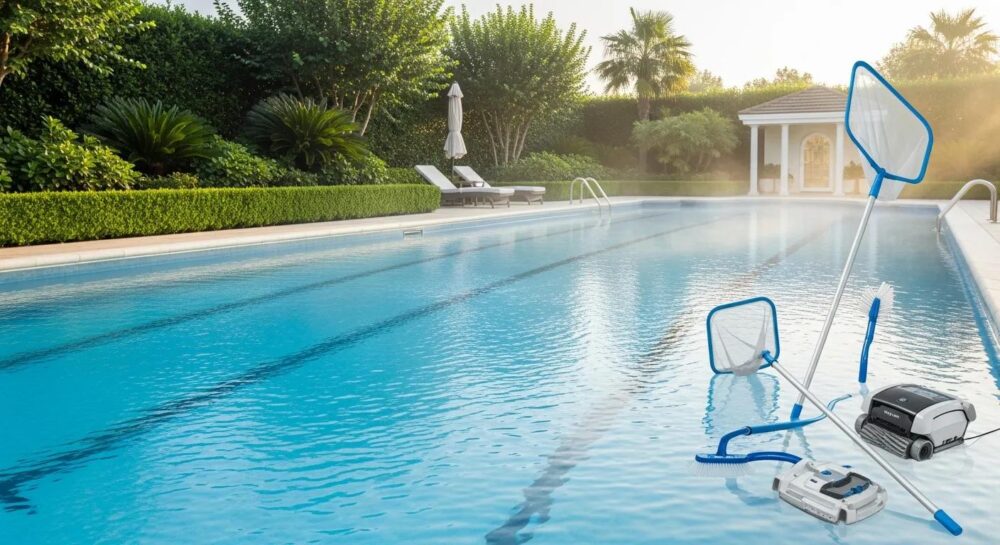
- Skimming: Use a skimmer net daily during heavy leaf season and whenever debris is visible on the surface.
- Brushing: Brush the walls and floor once a week to prevent algae and stains from taking hold.
- Vacuuming: Vacuum every 1–2 weeks, or more often during heavy use or after storms, to remove settled dirt.
Stick to these steps and your pool will stay clearer and more inviting for swimmers. For professional cleaning and maintenance services, check out the Pool Cleaning and Maintenance page.
How to Maintain Pool Filters and Equipment Regularly?
Good equipment care keeps water clean and saves money on repairs. Key tasks include:
- Cleaning Filters: Rinse or backwash filters as needed — typically every 2–4 weeks depending on usage and debris — to keep flow steady.
- Water Testing: Test water chemistry weekly so you can correct imbalances before they cause problems for swimmers or equipment.
- Mechanical Inspections: Inspect pumps, heaters, and fittings monthly for leaks, wear, or unusual noises and address issues early.
These habits help your system run efficiently and extend the life of parts.
It’s also helpful to understand what your filter backwash contains — knowing the quality of that sludge gives context to filter performance.
Swimming Pool Filter Backwash Sludge Quality Assessment
The study measured total suspended solids (TSS) by filtering samples through Hach glass‑fiber filters (pore size 1.5 µm) using a 200 mL sample volume to determine solids content in backwash water.
Quality Assessment of Sludge from Filter Backwash Water in Swimming Pool Facilities, E Łaskawiec, 2023
What Is the Best Pool Maintenance Schedule for Brookfield Residents?
Organize your upkeep around the seasons to keep tasks manageable and your pool ready when you want it.
How to Plan Seasonal Pool Care: Spring, Summer, Fall, and Winter?
Seasonal checklist:
- Spring: Remove the cover, clean the pool thoroughly, balance chemicals, and shock if needed to start the season fresh.
- Summer: Test and top chemicals regularly, skim and vacuum more often during peak use, and keep filters clean.
- Fall: Clear leaves quickly, balance chemicals, and start preparing for winter to reduce spring work.
- Winter: Lower the water below the skimmer, add winterizing chemicals, and secure a durable winter cover designed for above‑ground pools.
Following this seasonal plan reduces surprises and major repairs later on.
What Local Brookfield Factors Affect Your Pool Maintenance Timing?
Local conditions alter how and when you should work on the pool. Keep these in mind:
- Climate Considerations: Brookfield, Wisconsin has strong seasonal swings and snowfall — plan winter prep and spring openings around those conditions.
- Local Regulations: Check local rules for fencing, chemical handling, and water discharge so you stay compliant.
- Seasonal Weather Patterns: Watch for heavy rain or early freezes in fall and late frosts in spring and adjust your schedule accordingly.
Adapting to local factors helps you avoid damage and stay within code.
Which Pool Water Treatment Methods Are Safe and Effective for Above Ground Pools?
Pick treatments that keep swimmers safe while protecting your equipment and liner.
What Chemicals Are Recommended for Balancing Pool Water in Brookfield?
Common, effective chemicals include:
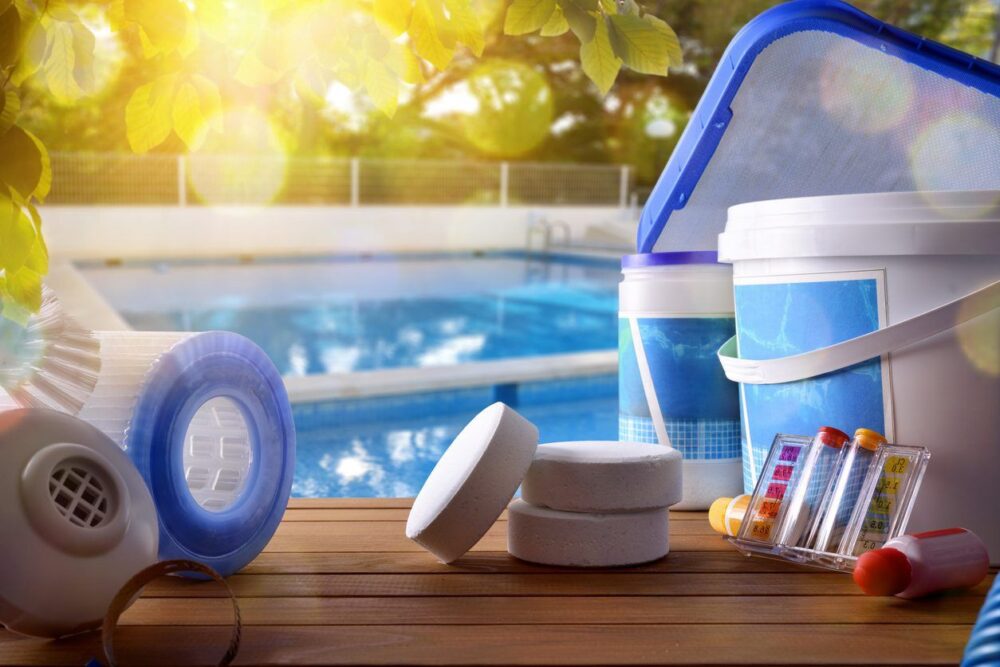
- Chlorine: The primary sanitizer. Use stabilized forms and monitor levels so algae and bacteria stay controlled.
- pH Balancers: Keep pH between 7.2 and 7.8 for comfort and chemical effectiveness.
- Algaecides: Use as directed to prevent or treat algae blooms — follow product instructions and local guidance.
Correct dosing and regular testing are the best ways to keep water safe and comfortable.
How to Use Eco-Friendly Pool Chemicals for Sustainable Care?
Eco‑friendly options can reduce your environmental footprint without sacrificing performance. Benefits include:
- Reduced Chemical Exposure: Safer for swimmers and the surrounding yard.
- Sustainable Ingredients: Many use gentler or more natural compounds that are less harmful to wildlife.
- Effective Performance: Properly selected eco products can hold water quality to the same standards as conventional chemicals.
Choose certified products, follow instructions, and check local rules before switching.
How Do You Winterize an Above Ground Pool in Brookfield?
Proper winterizing protects the liner and plumbing from freeze damage and reduces spring cleanup work.
What Are Step-by-Step Winterizing Procedures for Above Ground Pools?
Basic winterizing steps:
- Lower Water Levels: Bring the water down below the skimmer opening to reduce freeze pressure.
- Add Winter Chemicals: Apply algaecides and stabilizers to keep water from deteriorating over the off‑season.
- Cover the Pool: Use a fitted winter cover and secure it to keep debris and animals out.
Doing these steps carefully will make opening the pool in spring much easier.
How to Protect Pool Equipment and Liners During Winter?
Protect gear and liners with these precautions:
- Remove and Store Equipment: Take out pumps, filters, and heaters and store them indoors in a dry, frost‑free place.
- Use Pool Antifreeze: Put non‑toxic pool antifreeze in plumbing lines to prevent cracking from freezing.
- Inspect Liners: Repair any tears or weak spots before winter to avoid larger problems in spring.
These steps help prevent costly winter damage.
What Are Common Troubleshooting Tips for Above Ground Pool Maintenance?
Quick troubleshooting can save time and money — check the simple things first.
How to Fix Pool Liner Leaks and Equipment Issues?
Try this approach:
- Identify Leaks: Look for visible tears, holes, or folds in the liner and use a manufacturer‑recommended patch kit for repairs.
- Inspect Equipment: Scan pumps, filters, and connections for corrosion, cracks, or loose fittings and replace worn parts promptly.
- Monitor Water Levels: If the water drops unexpectedly, trace potential leaks in the liner, plumbing, or equipment right away.
Addressing problems early keeps repairs small and manageable.
When to Call Professional Pool Maintenance Services in Brookfield?
Call a pro when an issue goes beyond routine care. Consider professional help for:
- Persistent Water Quality Issues: If water chemistry won’t stay balanced despite consistent testing and treatment.
- Equipment Malfunctions: When pumps, heaters, or filters fail or behave erratically and need expert diagnosis.
- Complex Repairs: For major tasks like liner replacement, structural repairs, or electrical work that aren’t DIY safe.
Professionals can save time and protect your investment when problems are complex.
Where Can You Find Local Brookfield Resources and Regulations for Above Ground Pool Care?
Knowing local rules and resources helps you care for the pool responsibly and safely.
What Are Brookfield Pool Safety Guidelines and Local Regulations?
Important local considerations include:
- Fencing Requirements: Make sure your pool is enclosed per local code, typically with a self‑closing, self‑latching gate to prevent unauthorized access.
- Chemical Storage: Store and dispose of pool chemicals according to local regulations to avoid hazards and contamination.
- Regular Inspections: Follow any local mandates for inspections or permits to remain compliant and safe.
Checking municipal guidance up front keeps you on the right side of safety and law.
How to Access Brookfield Seasonal Weather Updates for Pool Maintenance?
Use these sources to stay ahead of weather that affects your pool:
- Local Weather Services: Watch local news, the National Weather Service, and regional sites for forecasts and alerts.
- Mobile Apps: Install reliable weather apps that send real‑time updates and severe‑weather notices.
- Community Resources: Check local forums, neighborhood groups, or municipal websites for community advisories and shared tips.
Keeping an eye on weather helps you time maintenance and protect your pool from storms and freezes.
Frequently Asked Questions
What are the signs that my above ground pool needs maintenance?
Watch for cloudy or discolored water, recurring algae, odd smells, a sudden drop in water level, or unusual noises from equipment. Regular chemical tests will also highlight issues before they become visible.
How can I prevent algae growth in my above ground pool?
Keep chlorine and pH in the recommended ranges (pH 7.2–7.8), skim and brush regularly, vacuum as needed, and maintain clean filters. Use algaecide as a preventive measure when appropriate.
What should I do if my pool water is green?
Green water usually means algae or metal staining. Test the water, shock with chlorine to kill algae, run the filter continuously, and vacuum out debris once the algae are dead. If metals are suspected, use a metal sequestrant per product directions.
How do I choose the right pool cover for winter?
Pick a cover type that fits your needs: solid covers block debris and evaporation, while mesh covers drain rainwater but may let finer debris through. Ensure a snug fit, UV resistance, and secure attachment points for safety.
What are the benefits of using eco-friendly pool chemicals?
Eco‑friendly chemicals typically reduce swimmer exposure to harsh compounds and lower environmental impact. Many are effective alternatives that still meet water‑quality needs — just check labels and local rules before switching.
How can I extend the life of my pool equipment?
Perform scheduled maintenance: clean filters, check seals and hoses, store removable equipment indoors for winter, and follow manufacturer service guidelines. A good cover also reduces debris and wear on components.
When is the best time to open my pool for the season?
Open your pool in late spring when daily temperatures are reliably warm — generally above 70°F (21°C). Remove the cover, clean thoroughly, and balance chemicals before regular use, and watch for late cold snaps.
About the Author
Leisure Pools & Spas is a family-owned business proudly serving the Brookfield community. Owned and operated by Pat Reed, his wife Donna, and their son Andy, the company brings generations of expertise and a personal touch to above-ground pool care and maintenance. Learn more on their About Us page and meet the team on their Meet our Team page.


