
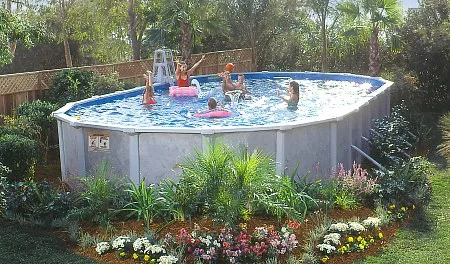
How to Choose the Best Above Ground Pool: Expert Guidance on Selection, Installation, and Maintenance
Choosing the right above-ground pool can transform your backyard into a personal oasis for relaxation and family time. This guide helps you compare options and select a pool that matches your needs. It covers pool types and brands, installation steps, maintenance practices, cost considerations, and safety measures. Many homeowners find the selection process challenging because of the range of choices and technical details. Use this expert guidance to make an informed decision that enhances your outdoor space and ensures a safe, enjoyable swimming experience.
What Are the Different Types and Brands of Above-Ground Pools?
Above ground pools are available in several types, each with distinct features and benefits. The main options are steel frame pools, resin pools, and inflatable pools. Evaluate each type for durability, ease of installation, and ongoing maintenance to determine which best fits your lifestyle and budget.
Which Pool Materials and Sizes Best Suit Your Needs?
Consider both material and size when choosing a pool. Steel-frame pools offer strength and a long service life. Resin pools resist rust and corrosion and often provide a cleaner appearance. Inflatable pools set up quickly and are suitable for temporary use. Measure your yard carefully and choose a size that fits comfortably within the available space.
What Are the Leading Above-Ground Pool Brands in 2024?
Several brands are notable for quality and customer satisfaction, including Intex, Bestway, and Coleman. Intex produces both inflatable and frame pools. Bestway offers a range of steel and resin frame models. Coleman is often praised for durability and straightforward setup. When comparing brands, review customer feedback and warranty terms to confirm reliability.
For those seeking expert assistance in selecting the right above-ground pool, Leisure Pool and Spas specializes in pool installation and maintenance and can help you choose the best option for your home.
What Are the Essential Steps for Above-Ground Pool Installation?
Installing an above ground pool requires a series of deliberate steps to ensure a correct, safe setup. Proper preparation and careful execution reduce the risk of problems and improve the pool’s performance.
Further insights into the construction and installation process outline detailed steps from site setting out through testing and commissioning.
Above Ground Pool Construction & Installation Guide
A swimming pool is a water facility designed to hold a volume of water for swimming and other leisure activities. Some above-ground pool designs that use glass walls can offer specific benefits to the owner and to the property within its surrounding context. This report describes the construction of above-ground swimming pools and identifies the construction methods used. It provides a comprehensive explanation of the process from setting out through testing and commissioning, and it describes the required equipment, materials, and workforce to give an overall view of the construction process.
Construction method of above ground level swimming pool, 2022
- Site Preparation: Begin by selecting a level area in your yard that is free from debris and obstacles. It’s essential to ensure the ground is stable and can support the weight of the pool when filled with water.
- Assembly: Follow the manufacturer’s instructions for assembling the pool frame and liner. This process typically involves connecting the frame pieces and securing the liner to prevent leaks.
- Filling the Pool: Once the pool is assembled, fill it with water gradually, checking for any leaks or issues as you go. It’s crucial to monitor the water level and ensure the pool remains level during this process.
How to Prepare Your Site and Level the Ground Correctly?
Clear the area of rocks, roots, and debris that could damage the liner. Use a shovel to level the ground and a tamper to compact the soil for a stable base. This step is essential; an uneven surface can cause structural problems and safety risks.
Which Tools and Equipment Are Required for Installation?
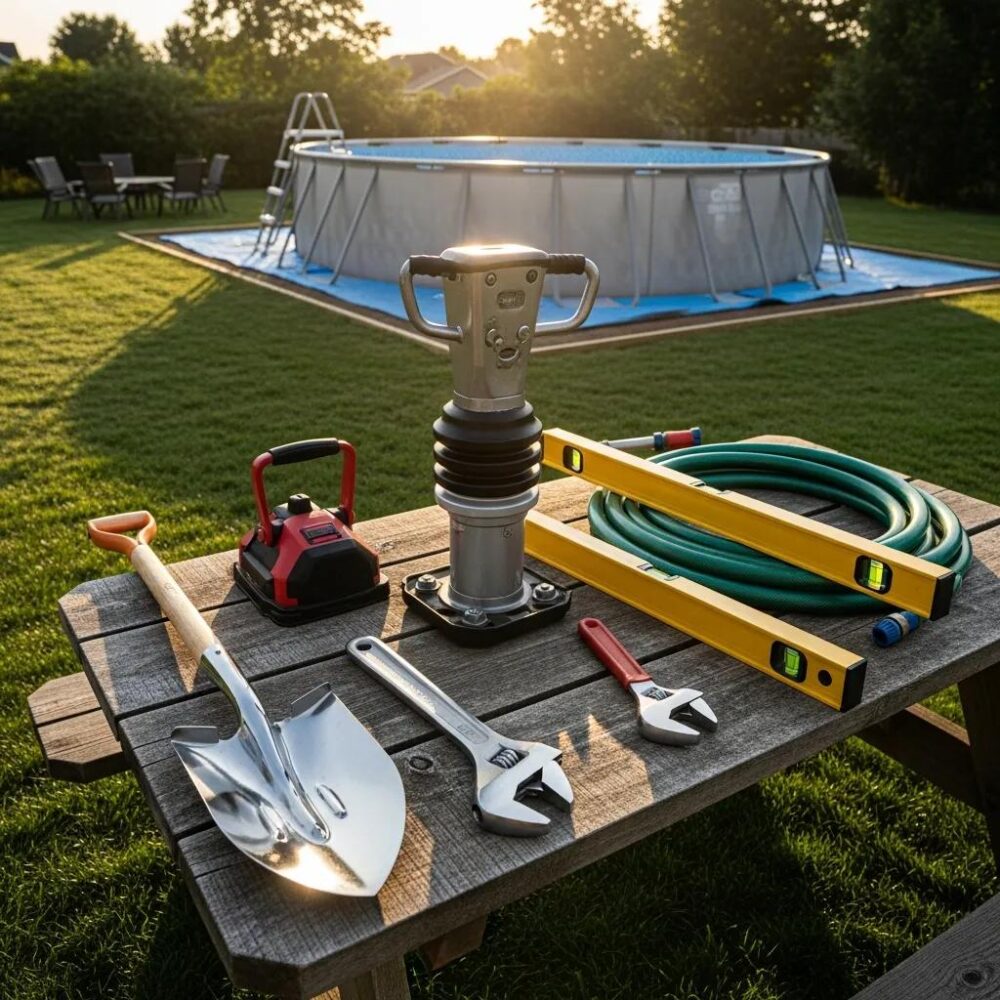
You will need the following tools and equipment to install an above-ground pool:
- Shovel: For digging and leveling the ground.
- Tamper: To compact the soil and create a stable base.
- Level: To ensure the ground is even.
- Wrench: For assembling the pool frame.
- Hose: To fill the pool with water.
The right tools will streamline installation and reduce the likelihood of common errors.
After installation, consider reaching out to Leisure Pool and Spas for professional services to confirm the pool is set up correctly and safely.
How Do You Maintain and Care for Your Above-Ground Pool Effectively?
Regular maintenance keeps your above-ground pool clean and safe. Key tasks include routine cleaning, water testing, and periodic equipment inspections.
Effective maintenance combines routine tasks with strategic planning to preserve longevity and maintain optimal performance.
Strategic Maintenance Planning for Above Ground Pools
This work addresses strategy — the planning aspects of maintenance management — while a companion volume, Managing Maintenance Resources, covers the execution. The focus is on planning principles that guide effective maintenance programmes and resource allocation.
Strategic maintenance planning, 2006
- Routine Cleaning: Skim the surface of the water regularly to remove debris and leaves. Use a pool vacuum to clean the bottom and walls of the pool.
- Water Testing and Chemical Balancing: Test the water weekly to check pH levels and chlorine concentration. Adjust chemicals as needed to maintain safe swimming conditions.
- Filter Maintenance: Clean or replace the pool filter according to the manufacturer’s recommendations to ensure efficient operation.
What Are the Recommended Pool Maintenance Tips and Schedules?
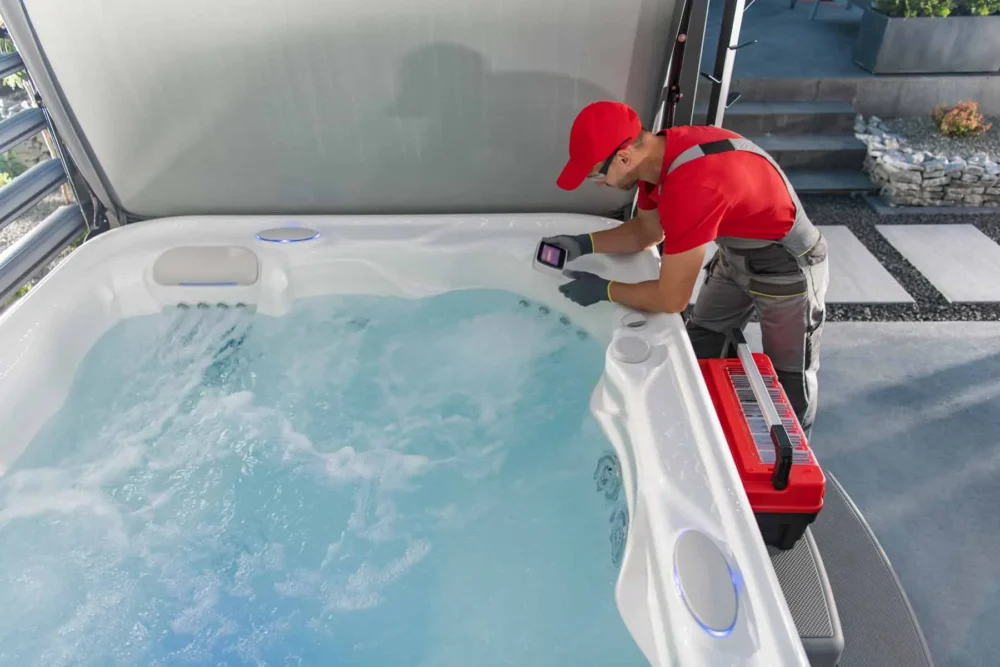
Establish a maintenance schedule to keep your pool in good condition. Recommended tasks include routine cleaning, regular water testing, and scheduled inspections of equipment.
- Weekly: Skim the pool, vacuum, and check chemical levels.
- Monthly: Clean the filter and inspect pool equipment for wear and tear.
- Seasonal: Prepare the pool for winter by properly winterizing it, including lowering the water level and covering it securely.
How to Winterize and Protect Your Pool Year-Round?
Winterizing protects the pool from cold-weather damage. Key actions include lowering the water level, installing a quality cover, and adding winterizing chemicals to prevent algae and preserve water quality until spring.
- Lowering Water Level: Lower the water level below the skimmer to prevent freezing damage.
- Covering the Pool: Use a high-quality pool cover to keep debris out and protect the pool structure.
- Adding Winter Chemicals: Use winterizing chemicals to prevent algae growth and maintain water quality until spring.
Leisure Pool and Spas also offers maintenance services to help you keep your pool in excellent condition throughout the year.
What Are the Cost Considerations and Budgeting Tips for Above Ground Pools?
When budgeting for an above ground pool, account for the initial purchase price plus ongoing expenses such as maintenance, utilities, and accessories. This gives a complete view of long-term costs.
- Initial Costs: The cost of above ground pools can vary significantly based on size, material, and brand. On average, you can expect to spend between $1,500 and $4,000 for a quality pool.
- Installation Costs: If you choose to hire professionals for installation, factor in additional costs ranging from $300 to $1,200, depending on the complexity of the setup.
- Ongoing Maintenance: Budget for regular maintenance supplies, including chemicals, cleaning tools, and equipment repairs, which can add up to $300 to $600 annually.
How to Estimate Total Costs Including Installation and Accessories?
To estimate total costs, include purchase price, installation fees, and accessory expenses. Consider obtaining quotes and comparing service rates to build an accurate budget.
- Contacting the Service Provider: Reach out to Leisure Pool and Spas for a detailed quote on installation and maintenance services.
- Discussing Installation Fees: Inquire about any additional fees that may apply during the installation process.
- Reviewing Service Rates: Compare service rates for maintenance and repairs to find the best value.
What Warranty Options and Safety Features Should You Consider?
Understand available warranty options before purchasing. Many manufacturers offer coverage for defects in materials and workmanship, often ranging from 1 to 12 years. Also evaluate essential safety features when selecting a pool.
- Safety Covers: These prevent unauthorized access and protect the pool from debris.
- Ladders and Fencing: Ensure that your pool is equipped with secure ladders and fencing to enhance safety for children and pets.
Which Safety Measures and Warranty Information Are Crucial for Pool Owners?
Safety is a primary concern for pool owners. Implementing appropriate safety measures reduces the risk of accidents and creates a secure environment for swimmers.
- Fencing: Install a fence around the pool area to restrict access to children and pets.
- Safety Covers: Use a safety cover when the pool is not in use to prevent accidental falls.
- Pool Alarms: Consider installing alarms that alert you if someone enters the pool area unexpectedly.
What Safety Covers and Accessories Enhance Pool Security?
Safety covers and accessories strengthen pool security. Options include mesh covers that allow drainage, solid covers for complete protection, and pool alarms that notify you if the pool area is entered unexpectedly.
- Mesh Safety Covers: Allow rainwater to drain while keeping debris out.
- Solid Safety Covers: Provide complete protection from debris and unauthorized access.
- Pool Alarms: Notify you if someone enters the pool area, adding an extra layer of security.
How Do Pool Warranties Protect Your Investment?
Understanding warranties helps protect your investment. Typical coverage includes structural defects, liner failures, and certain equipment issues.
- Structural Defects: Protection against manufacturing defects in the pool structure.
- Liner Issues: Coverage for liner leaks or failures.
- Equipment Failures: Warranty options for pumps, filters, and other equipment.
Review warranty terms carefully so you understand coverage limits and how to file a claim. This ensures your investment is safeguarded against common issues.
Frequently Asked Questions
What are the key factors to consider when choosing the location for an above ground pool?
Select a flat, level site free of overhanging branches, rocks, and debris. Ensure the area has good drainage to avoid water pooling around the pool. Consider proximity to your home for convenience and access to water and electricity. Also assess sun exposure and privacy; ample sunlight helps keep water warm while some shade improves comfort.
How can I ensure the longevity of my above ground pool?
Regular maintenance is essential. Perform routine cleaning, maintain chemical balance, and inspect equipment on a scheduled basis. Follow the manufacturer’s maintenance guidelines. Use a quality pool cover to protect the pool during the off-season and winterize properly if you live in a cold climate. These steps extend the pool’s service life.
What are the common mistakes to avoid during pool installation?
Common installation errors include failing to level the ground, not following the manufacturer’s instructions, and neglecting local regulations or permits. Inadequate support and missing safety measures such as fencing or covers also cause problems. Careful planning and adherence to instructions prevent costly repairs and safety risks.
How do I choose the right pool accessories for my above ground pool?
Begin with essential accessories: a quality pool cover, a safe ladder, and cleaning equipment like a skimmer and vacuum. If you plan to use the pool in cooler weather, consider a heater. Prioritise safety accessories such as alarms and fencing. Match accessories to your needs and budget for the best value.
What are the environmental considerations when installing an above ground pool?
Minimise disruption to local wildlife and vegetation when siting the pool. Reduce water loss by using a cover to limit evaporation. Choose eco-friendly pool chemicals to limit runoff, and consider energy-efficient equipment such as solar heaters and LED lighting to lower energy use. These measures help reduce the environmental impact of your pool.
What should I do if I encounter problems with my above ground pool?
First, identify the issue. Common problems include leaks, equipment malfunctions, and water quality concerns. Inspect the liner and connections for visible damage if you suspect a leak. For equipment faults, consult the user manual for troubleshooting. Test and adjust water chemistry for quality issues. If you cannot resolve the problem, contact a professional pool service. Regular maintenance helps prevent many issues.


