
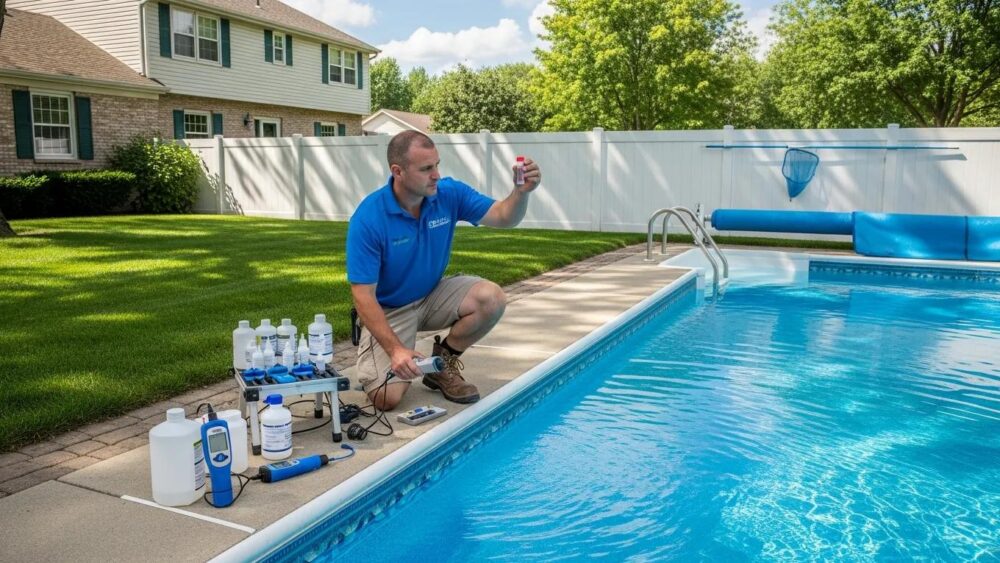
Trusted Pool Inspections in Brookfield
Regular pool inspections protect your family and your investment. In Brookfield, where local codes and safety expectations are strict, a professional inspection confirms that a pool is safe, functioning well, and compliant. This guide explains what inspectors check, what’s on a typical inspection checklist, how safety and compliance are evaluated, what inspections cost locally, and how to choose the right inspector — so you can make confident, practical decisions about your pool. For trusted pool services, visit Leisure Pools & Spas.
What Does a Pool Inspection in Brookfield Cover?
A Brookfield pool inspection is a full review of the pool’s condition and safety systems to ensure compliance with local rules. Inspectors examine the shell and surrounding structure, test water quality, and verify that equipment performs as intended. The goal is to spot hazards, maintenance needs, and code gaps before they become bigger problems.
Typical inspection focus areas include:
- Chemical Checks and Balancing: Measuring sanitizer and pH levels and confirming the water chemistry is within safe ranges to protect swimmers’ health.
- Equipment Performance Check: Testing pumps, filters, heaters, and related systems to confirm they’re operating efficiently and safely.
- Leak Inspection: Looking for visible signs of leaks in the pool shell and plumbing that can cause damage or excessive water loss.
Knowing what inspectors examine helps you prioritize maintenance and keep the pool safe for everyone who uses it.
Key Components of the Pool Inspection Checklist
A thorough checklist ensures no critical item is missed. Inspectors typically follow a consistent set of checks to evaluate the pool’s condition and safety.
- Water Testing: Analysis of pH, chlorine (or alternative sanitizers), alkalinity, and other chemistry metrics that affect swimmer safety and equipment life.
- Mechanical Equipment Inspection: Visual and operational checks of pumps, filters, heaters, timers, and electrical connections to confirm safe, reliable operation.
- Leak Inspection: Examination of the shell, plumbing, and visible fittings for leaks or deterioration that can lead to costly repairs.
Following a standardized checklist gives you a clear, actionable snapshot of the pool’s current condition.
How Pool Inspectors Assess Safety and Compliance
Inspectors use a methodical approach to confirm a pool meets safety and regulatory standards. That process combines visual inspection, testing, and practical recommendations.
- Routine Inspections: Regular visual and operational checks that catch wear-and-tear, structural concerns, and noncompliant items early.
- Testing Water Chemistry: On-site water tests to verify sanitizer levels and chemical balance, which directly affect swimmer health.
- Preventive Maintenance: Actionable maintenance recommendations designed to extend equipment life and reduce safety risks.
Understanding this approach helps pool owners act proactively to maintain compliance and safety.
How Much Does a Pool Inspection Cost in Brookfield?
Inspection prices in Brookfield vary by scope and pool size. Typical rates range from $150 to $400 depending on the type of inspection and how detailed the evaluation is.
Typical Service Types and Costs
| Basic Inspection | $150 | Covers essential safety checks and basic water-quality testing. |
|---|---|---|
| Comprehensive Inspection | $250 | Includes in-depth equipment testing and a structural overview. |
| Pre-Purchase Inspection | $400 | A detailed assessment for buyers that covers safety, structure, and systems. |
Knowing common price ranges helps you budget and select the level of inspection that fits your needs.
Factors Influencing Pool Inspection Pricing
Several elements affect the final inspection fee. Understanding them helps you compare quotes fairly.
- Distance from Service Provider: Travel time and logistics may increase the overall cost.
- Type of Service: Basic versus comprehensive or specialty inspections require different amounts of time and expertise.
- Complexity of Setup: Pools with automation, multiple heaters, or elaborate features take longer to test and may carry higher fees.
Being aware of these factors makes it easier to interpret estimates and pick the right provider for your situation.
Comparing Costs Among Pool Inspection Companies Near Me
When shopping for inspectors, compare more than just the price. Consider the full value each company provides.
- Service Call Rates: The base charge to visit and inspect your pool.
- Maintenance Service Rates: Costs for follow-up repairs or ongoing maintenance the company may offer.
- Additional Charges: Fees for specialized testing, extended reports, or repair recommendations discovered during the inspection.
A clear, side-by-side comparison helps you find the best balance of quality, thoroughness, and cost.
What Are the Pool Safety Inspection Standards in Brookfield?
Brookfield’s inspection standards are designed to protect swimmers and ensure pools meet local safety expectations. These standards cover construction, maintenance, and required safety devices.
Important elements of local safety standards include:
- Local Regulations: Adherence to municipal and state rules regarding pool construction and operation.
- Compliance Requirements: Verification that fences, gates, alarms, and other safety features meet local guidelines.
- Safety Standards: Following industry best practices for regular maintenance and safe operation.
Keeping up with these standards helps you avoid violations and keeps swimmers safe.
Understanding Local Pool Safety Regulations and Compliance
Local regulations aim to reduce risk and ensure pools are safe year-round. They address everything from how a pool is built to how it’s maintained.
- Regulatory Bodies: Health departments and safety authorities oversee and enforce local pool rules.
- Compliance Checks: Routine inspections ensure pools meet current safety requirements.
- Safety Certifications: In some cases, owners or operators must show documentation that a pool meets regulatory standards.
Staying informed about local rules makes it easier to keep your pool safe and code-compliant.
Recent Updates to Brookfield Pool Safety Codes
Pool safety codes evolve as new risks and technologies emerge. Recent updates in Brookfield may change construction rules, required safety features, or inspection criteria.
- Recent Changes: Updates may address new safety concerns or integrate modern safety technology.
- Impact on Inspections: Inspectors may adjust their checklists and testing procedures to reflect code changes.
- Compliance Requirements: Pool owners should track code updates to remain compliant and avoid penalties.
Monitoring code changes ensures your pool continues to meet the latest safety expectations.
How to Choose a Qualified Pool Inspector in Brookfield?
Selecting a qualified inspector ensures a thorough, reliable assessment. Look for experience, clear reporting, and the right credentials.
- Qualifications to Look For: Certifications in pool inspection, relevant trade licenses, and a proven track record in local inspections.
- Questions to Ask: Ask about the inspector’s process, what’s included in the report, and whether they handle follow-up services.
- Importance of Credentials: Proper licensing and insurance protect you and indicate professional standards.
Choosing the right inspector gives you a clear, actionable report and peace of mind.
Certifications and Credentials to Look For
Verify credentials to confirm the inspector has the training and protections you expect.
- Certified Pool Inspector: Demonstrates formal training in pool safety and inspection practices.
- Licensed Contractor: Indicates the inspector is qualified to perform inspections and, where appropriate, authorized repairs.
- Insurance Coverage: Liability insurance protects both you and the inspector if something goes wrong during the visit.
Confirming these credentials reduces risk and ensures a professional inspection experience.
Questions to Ask Your Pool Inspection Company
Before you book, ask targeted questions so you know exactly what to expect from the inspection.
- Specific Services Offered: Which inspection types and additional services do they provide?
- Testing Methods: How do they test water chemistry and evaluate equipment performance?
- Additional Charges: Are there fees for extra tests, detailed reports, or travel?
Clear answers to these questions prevent surprises and help you compare providers effectively.
What Is Included in a Pool Inspection Report?
An inspection report summarizes findings and provides concrete next steps. A good report is clear, prioritized, and easy to act on.
- Service Offerings: A list of the checks performed and any tests run during the inspection.
- Customer Feedback: The inspector’s observations about condition and safety concerns.
- Maintenance Recommendations: Practical, prioritized steps for repairs, upkeep, and to address safety issues.
Expect a report that helps you understand current issues and plan repairs or maintenance with confidence.
Interpreting Structural and Safety Findings
Reading an inspection report helps you decide what to fix now and what can wait. Common findings typically fall into three categories.
- Structural Issues: Cracks, settling, or other damage to the pool shell that may need professional repair.
- Safety Concerns: Missing or faulty fences, gates, alarms, or equipment that create immediate risk.
- Recommended Actions: Clear repair or maintenance steps, prioritized by safety and urgency.
Use the inspector’s recommendations to schedule repairs and protect both swimmers and your property value.
Using the Report for Pre-Purchase Decisions and Maintenance
An inspection report is a decision-making tool for buyers and owners alike. It clarifies condition and expected costs.
- Service Offerings: Use the report to confirm which systems were checked and any follow-up services recommended.
- Customer Reviews: Consider the inspector’s comments and any documented history when evaluating the pool’s condition.
- Maintenance Recommendations: Rely on suggested maintenance to budget for repairs or negotiate repairs in a purchase.
Whether buying or maintaining, the report gives you a factual basis for negotiation and planning.
How Often Should You Schedule Pool Maintenance Inspections in Brookfield?
Regular inspections keep small issues from becoming costly problems. Frequency depends on usage, season, and pool type.
- Recommended Intervals: Most residential pools benefit from at least one thorough inspection per year; higher-use pools may need more.
- Seasonal Considerations: Inspect before opening and after closing the pool each season to catch seasonal wear or winter damage.
- Frequency for Residential vs Commercial: Commercial pools usually require more frequent checks due to heavier use and stricter regulations.
Following a sensible inspection schedule helps maintain safety and avoid unexpected repairs.
Recommended Inspection Intervals for Residential and Commercial Pools
Inspection frequency should match use and regulatory expectations.
- Residential Pools: At minimum, an annual inspection with an extra check before peak season.
- Commercial Pools: Quarterly or more frequent inspections are often necessary to meet local rules and ensure user safety.
- Seasonal Tasks: Tasks like winterizing or reopening should trigger focused inspections.
Adhering to these intervals helps preserve water quality and equipment performance year-round.
Benefits of Regular Pool Maintenance Inspections
Routine inspections deliver clear advantages for safety, cost savings, and comfort.
- Cleaner Water: Regular testing and adjustments keep water clear and safe for swimmers.
- Longer Equipment Lifespan: Addressing small issues early prevents premature failure and saves on replacement costs.
- Early Issue Detection: Finding problems early reduces the chance of expensive emergency repairs later.
Investing in inspections protects both people and your pool’s long-term value.
Frequently Asked Questions
What qualifications should I look for in a pool inspector?
Look for inspectors with formal certification in pool inspection or aquatic facility safety, a valid contractor’s license if required, and proof of insurance. Practical experience with local codes and references from past clients are also important — they show the inspector understands Brookfield-specific requirements.
How can I prepare my pool for an inspection?
Prepare by cleaning the pool surface and skimming debris, running equipment so it’s operational, and ensuring gates and access points are unlocked. Gather maintenance records and any previous inspection reports to give the inspector context about past work.
What should I do if my pool inspection report identifies issues?
Review the report and prioritize safety-related items first. Minor repairs you can handle should be scheduled promptly; for structural or complex system issues, hire a licensed contractor. Follow-up inspections can verify repairs and confirm compliance.
Are there any seasonal considerations for pool inspections?
Yes. Inspect before the season starts to ensure safe opening and after the season to check for winter damage. In colder climates, winterizing inspections are recommended to prevent freeze damage to equipment and plumbing.
What are the common safety features that should be inspected?
Inspectors commonly check fencing and gates for height and self-closing hardware, pool covers for condition and secure attachment, and alarms on doors or pool perimeters. These features help prevent unauthorized access and reduce drowning risk.
How can I find reputable pool inspection companies in Brookfield?
Ask for local recommendations, read online reviews, and confirm certifications and insurance before hiring. Interview candidates about their inspection process, sample reports, and whether they provide follow-up services. A careful vetting process helps you pick a reliable professional.
What should I expect during a pool inspection?
An inspector will assess the pool shell and decking, test water chemistry, run and evaluate equipment, and check safety features like fences and alarms. You’ll receive a written report summarizing findings, recommended repairs or maintenance, and priority levels for action.
About the Author
Leisure Pools & Spas is a family-owned business proudly operated by Pat Reed, his wife Donna, and their son Andy. With deep roots in the community and a commitment to quality, they provide expert pool services tailored to your needs. Learn more about their story on the About Us page and meet the dedicated team on the Meet Our Team page.


